
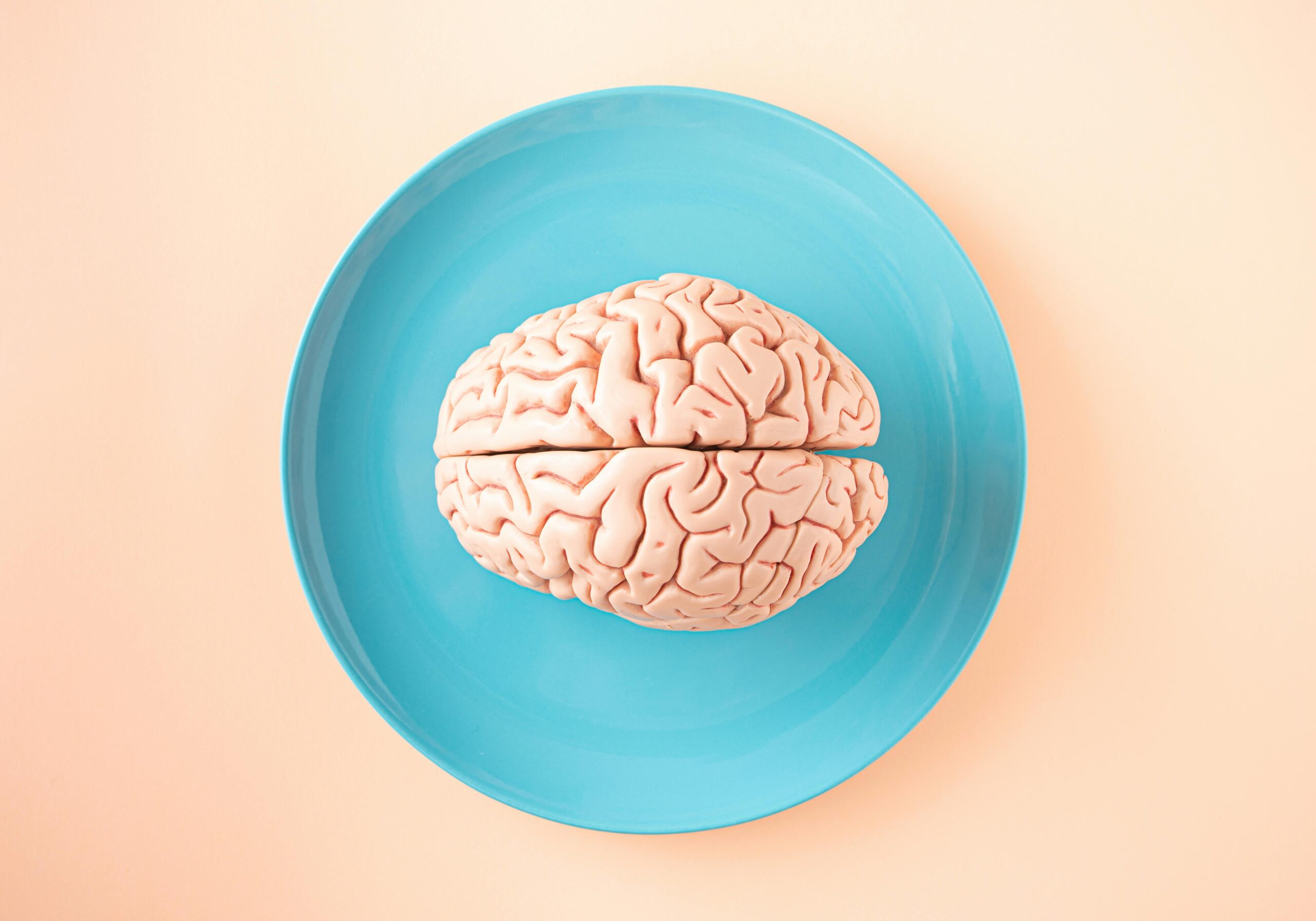
Your brain is your most valuable asset, yet most people invest more time maintaining their cars than their cognitive health. Let’s change that starting today.

In an era where information overload, constant digital distractions, and accelerated lifestyles threaten our mental clarity, understanding how to maintain and enhance cognitive function has never been more critical. Your brain’s remarkable plasticity means that with the right protocols, you can not only preserve but actually improve your mental sharpness well into your later years.
This comprehensive guide explores science-backed strategies that form a complete cognitive maintenance system—practical protocols you can implement immediately to unlock your mind’s full potential and ensure lasting mental longevity.
🧠 Understanding Your Brain’s Maintenance Needs
Your brain consumes approximately 20% of your body’s total energy despite representing only 2% of your body weight. This extraordinary organ contains roughly 86 billion neurons, each forming thousands of connections, creating a network more complex than any supercomputer ever built.
Cognitive maintenance isn’t about preventing inevitable decline—it’s about optimizing performance at every age. Research from leading neuroscience institutions demonstrates that the brain maintains remarkable plasticity throughout life, constantly forming new neural pathways based on our behaviors, thoughts, and environmental inputs.
The key lies in understanding that cognitive health operates on multiple dimensions: processing speed, working memory, executive function, attention span, and emotional regulation. Each dimension requires specific maintenance protocols, yet they all interconnect in fascinating ways.
The Neuroplasticity Advantage
Neuroplasticity—your brain’s ability to reorganize itself by forming new neural connections—remains active throughout your entire lifespan. This groundbreaking discovery revolutionized our understanding of cognitive aging. You’re not stuck with the brain you have; you can actively reshape it through intentional practices.
Studies published in journals like Nature Neuroscience show that adults who engage in targeted cognitive training can increase gray matter density in specific brain regions within weeks. This isn’t theoretical—it’s measurable, physical change that translates into improved mental performance.
💤 Sleep: The Foundation of Cognitive Excellence
If you want peak cognitive performance, quality sleep isn’t negotiable—it’s the cornerstone of every effective maintenance protocol. During sleep, your brain doesn’t simply rest; it actively consolidates memories, removes toxic metabolic waste, and repairs cellular damage accumulated during waking hours.
The glymphatic system, discovered in 2012, operates primarily during deep sleep, flushing out beta-amyloid proteins and other waste products associated with cognitive decline. Chronic sleep deprivation essentially allows these toxins to accumulate, directly impairing mental sharpness.
Optimizing Your Sleep Architecture
Aim for 7-9 hours of quality sleep nightly, but focus equally on sleep consistency. Your circadian rhythm thrives on predictability—going to bed and waking at similar times, even on weekends, significantly enhances sleep quality.
Create a sleep-conducive environment: keep your bedroom cool (around 65-68°F), completely dark, and reserve the space exclusively for sleep and intimacy. This environmental conditioning strengthens the psychological association between your bedroom and restorative sleep.
Implement a digital sunset—cease screen exposure at least 60 minutes before bedtime. Blue light suppresses melatonin production, but the cognitive stimulation from content consumption proves equally disruptive to the mental wind-down process necessary for quality sleep.
🏃♂️ Physical Exercise: Moving Your Body to Sharpen Your Mind
The connection between physical fitness and cognitive function represents one of neuroscience’s most robust findings. Aerobic exercise increases blood flow to the brain, stimulates the release of brain-derived neurotrophic factor (BDNF)—essentially fertilizer for brain cells—and promotes neurogenesis in the hippocampus, the brain region critical for memory formation.
Research from the University of British Columbia found that regular aerobic exercise appears to boost the size of the hippocampus. Those who engaged in regular cardiovascular exercise showed measurably improved verbal memory and learning compared to those who only did resistance training or stretching.
The Optimal Exercise Protocol
Incorporate at least 150 minutes of moderate aerobic activity weekly, distributed across multiple sessions rather than condensed into one or two. This distribution maintains consistently elevated BDNF levels throughout the week.
Combine aerobic exercise with resistance training. While cardio provides immediate cognitive benefits, strength training supports long-term brain health by improving insulin sensitivity, reducing inflammation, and maintaining healthy hormone levels—all factors that influence cognitive function.
Don’t overlook coordination-based activities like dancing, martial arts, or racquet sports. These complex movement patterns require significant cognitive engagement, simultaneously challenging your body and mind while building new neural pathways.
🥗 Nutritional Psychiatry: Feeding Your Brain for Peak Performance
Your brain’s composition is approximately 60% fat, and the quality of fats you consume directly influences cognitive function. Nutritional psychiatry—the study of how diet affects mental health and cognitive performance—reveals that what you eat profoundly impacts your brain’s structure and function.
The Mediterranean and MIND diets consistently demonstrate the strongest evidence for supporting cognitive health. These eating patterns emphasize whole foods, healthy fats, abundant vegetables, moderate fish consumption, and limited processed foods.
Critical Nutrients for Cognitive Maintenance
Omega-3 fatty acids, particularly DHA, serve as essential building blocks for brain cell membranes and support anti-inflammatory processes. Incorporate fatty fish like salmon, mackerel, and sardines at least twice weekly, or consider a high-quality algae-based supplement.
Antioxidants combat oxidative stress that damages brain cells. Berries, particularly blueberries, contain flavonoids that cross the blood-brain barrier and accumulate in brain regions responsible for learning and memory. Dark leafy greens provide lutein, associated with preserved cognitive function in aging.
B vitamins, especially B12, B6, and folate, play crucial roles in neurotransmitter synthesis and homocysteine metabolism. Elevated homocysteine levels correlate with cognitive decline and brain atrophy. Ensure adequate intake through diet or supplementation, particularly if you’re over 50 or follow a plant-based diet.
Hydration and Cognitive Function
Even mild dehydration—as little as 2% loss of body water—impairs attention, memory, and cognitive performance. Your brain is approximately 73% water, and maintaining optimal hydration ensures efficient nutrient transport, waste removal, and neurotransmitter production.
Aim for approximately half your body weight in ounces of water daily, adjusting for activity level, climate, and individual needs. Monitor your urine color—pale yellow indicates adequate hydration, while dark yellow suggests you need more fluids.
🎯 Targeted Cognitive Training and Mental Stimulation
The “use it or lose it” principle applies powerfully to cognitive function. Engaging in mentally stimulating activities strengthens existing neural connections and promotes the formation of new ones, building what researchers call “cognitive reserve”—a buffer against age-related decline.
However, not all mental activities provide equal cognitive benefits. Passive consumption of information—scrolling social media or watching television—offers minimal cognitive challenge. Effective cognitive training requires active engagement, novelty, and progressive difficulty.
Effective Cognitive Exercise Strategies
Learn new skills that challenge multiple cognitive domains simultaneously. Musical instruments, foreign languages, and complex games like chess or strategy-based video games engage memory, attention, processing speed, and executive function concurrently.
The key is sustained engagement with progressively difficult material. Your brain adapts to challenges, so continuously pushing beyond your comfort zone maintains the stimulus necessary for growth. Dedicate at least 15-30 minutes daily to deliberate cognitive training.
Brain training applications can provide structured cognitive workouts when used appropriately. Look for programs based on scientific research that adapt difficulty to your performance level and target multiple cognitive domains.
The Power of Reading and Writing
Reading, particularly complex literature that challenges comprehension and vocabulary, provides comprehensive cognitive exercise. It engages visual processing, language centers, memory systems, and executive function while reducing stress—itself a cognitive threat.
Writing, especially reflective journaling or creative writing, strengthens memory consolidation, emotional processing, and executive function. The act of organizing thoughts into coherent written form exercises multiple cognitive processes simultaneously.
🧘♀️ Stress Management and Emotional Regulation
Chronic stress represents one of the most significant threats to cognitive health. Prolonged elevation of cortisol—your primary stress hormone—damages the hippocampus, impairs memory formation, and disrupts prefrontal cortex function, compromising decision-making and emotional regulation.
The relationship between stress and cognition operates bidirectionally. Stress impairs cognitive function, while poor cognitive function increases vulnerability to stress. Breaking this cycle requires deliberate stress management protocols.
Meditation and Mindfulness Practices
Extensive research demonstrates that regular meditation practice produces measurable changes in brain structure and function. Just eight weeks of mindfulness meditation increases gray matter density in regions associated with learning, memory, and emotional regulation while decreasing it in the amygdala, the brain’s fear center.
Start with just five minutes daily. Focus on your breath, noticing when your mind wanders and gently returning attention to breathing. This simple practice strengthens attentional control—a fundamental cognitive skill that supports all other mental functions.
Social Connection as Cognitive Protection
Meaningful social relationships powerfully protect against cognitive decline. Social interaction provides complex cognitive stimulation—tracking conversations, interpreting emotional cues, managing turn-taking—while simultaneously reducing stress and promoting emotional wellbeing.
Loneliness and social isolation correlate with accelerated cognitive decline comparable to other major risk factors. Prioritize quality social connections, engaging regularly in meaningful conversations and shared activities with friends, family, and community.
🌞 Environmental and Lifestyle Factors
Your environment profoundly influences cognitive function in ways you might not recognize. Optimizing environmental factors creates conditions that support rather than hinder mental sharpness.
Light Exposure and Circadian Rhythm
Natural light exposure, particularly in the morning, entrains your circadian rhythm, improving sleep quality, mood, and cognitive performance. Aim for at least 15-30 minutes of outdoor light exposure within two hours of waking.
Conversely, minimize artificial light exposure, especially blue wavelengths, during evening hours. This supports natural melatonin production and maintains healthy sleep-wake cycles essential for cognitive restoration.
Limiting Cognitive Toxins
Alcohol, even in moderate amounts, negatively impacts brain structure and function. While occasional consumption may fit into a healthy lifestyle, recognize that alcohol impairs sleep quality, disrupts neurotransmitter balance, and when consumed regularly, accelerates brain aging.
Minimize exposure to environmental toxins when possible. Air pollution, heavy metals, and certain chemicals can accumulate in neural tissue and contribute to oxidative stress. Use air purifiers indoors, choose organic produce when feasible, and avoid unnecessary chemical exposures.
📊 Tracking Progress and Maintaining Consistency
Cognitive maintenance requires long-term commitment. The protocols that protect and enhance your mental sharpness work through cumulative effects—benefits compound over months and years of consistent practice.
Establish baseline measurements of cognitive function. Simple assessments—reaction time tests, memory challenges, or processing speed exercises—provide reference points to track improvement over time. Many cognitive training apps include built-in assessment tools.
Building Sustainable Habits
Rather than attempting to implement all protocols simultaneously, introduce changes gradually. Start with the foundation—optimizing sleep—then progressively add exercise, nutritional improvements, and cognitive training.
Stack new habits onto existing routines. Practice breathing exercises during your morning coffee, listen to language-learning audio during your commute, or do brief cognitive exercises while waiting in line. This integration makes consistency manageable within your current lifestyle.
Track your practices without obsessing over perfection. Aim for consistency rather than intensity—regular moderate effort produces better long-term results than sporadic heroic efforts followed by abandonment.
🚀 Synthesizing Your Personal Cognitive Maintenance Protocol
Your optimal cognitive maintenance protocol is personal, reflecting your unique circumstances, preferences, and goals. The most scientifically sound program means nothing if you won’t consistently follow it.
Begin by assessing your current status across key dimensions: sleep quality, physical activity level, dietary patterns, stress levels, and mental stimulation. Identify the areas offering the greatest opportunity for improvement—these become your initial focus.
Design your protocol around minimum effective doses. What’s the smallest change that produces meaningful benefits? Perhaps it’s 20 minutes of morning walking, 10 minutes of meditation, adding one serving of vegetables to dinner, and 15 minutes of cognitive training before bed. Simple, sustainable, effective.
Remember that cognitive maintenance is not a destination but an ongoing practice. Your brain continuously responds to how you treat it—every choice either supports or undermines your mental sharpness. The protocols outlined here provide a comprehensive framework, but your consistent application transforms knowledge into results.
Your mind’s potential far exceeds its current expression. Through deliberate, science-based cognitive maintenance protocols, you can not only preserve but significantly enhance your mental capabilities, ensuring cognitive vitality that endures throughout your lifetime. The investment you make today in your brain’s health yields dividends in clarity, creativity, and mental longevity for decades to come. Start implementing these protocols now—your future self will thank you.