
Modern systems demand flawless operation behind the scenes. Background stability systems ensure critical processes run smoothly, protecting users and enhancing control across industries and applications.

🔐 Understanding the Foundation of Background Stability Systems
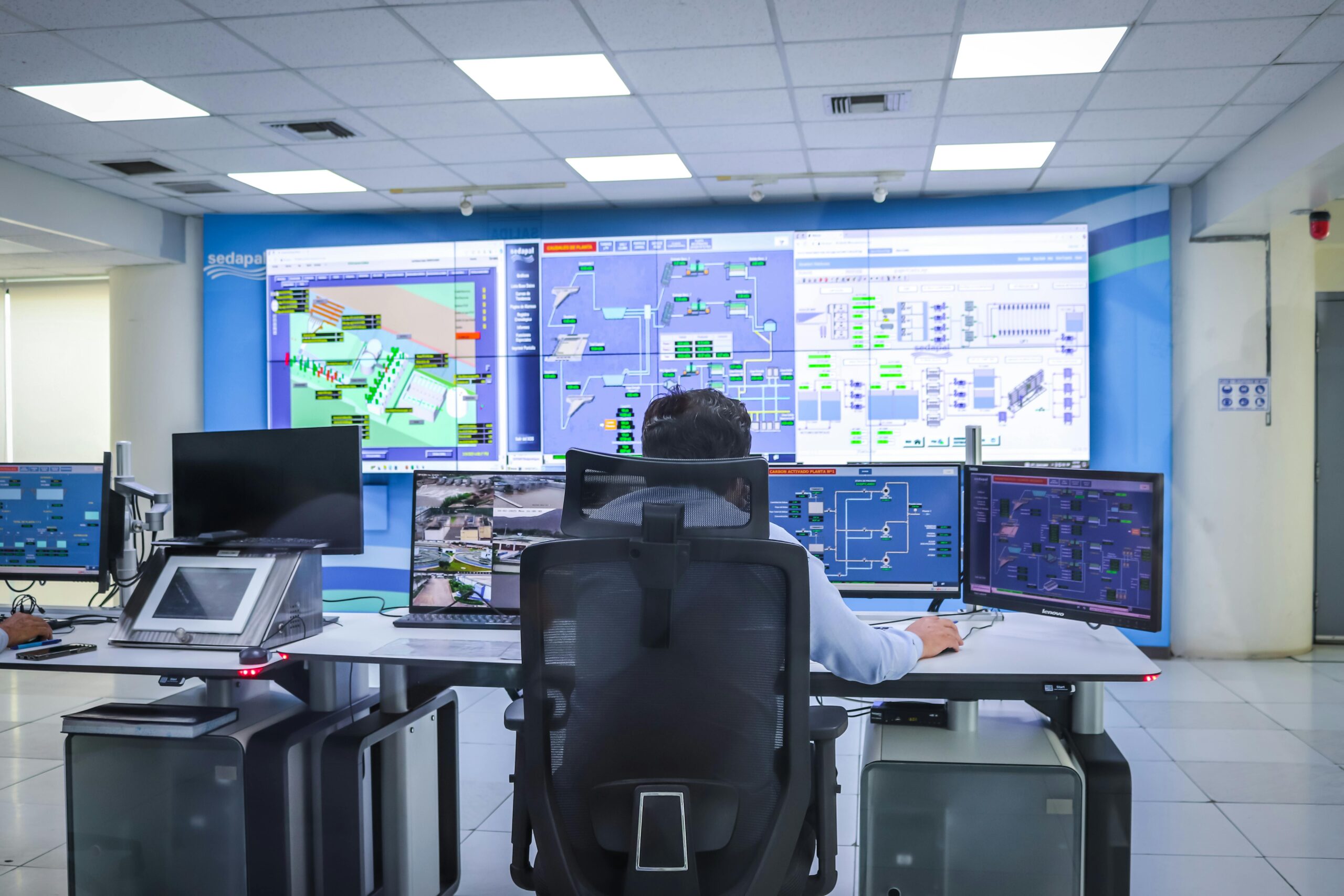
Background stability systems represent the invisible infrastructure that keeps our digital world running seamlessly. These sophisticated frameworks operate continuously, monitoring, adjusting, and maintaining optimal performance levels without requiring constant user intervention. As our reliance on technology deepens, the importance of these systems has escalated from a nice-to-have feature to an absolute necessity.
The concept extends far beyond simple background processes. Modern stability systems incorporate advanced algorithms, machine learning capabilities, and predictive analytics to anticipate potential failures before they occur. This proactive approach fundamentally changes how we think about system reliability and user safety in an increasingly connected world.
Organizations across sectors—from healthcare to finance, transportation to energy—depend on these systems to prevent catastrophic failures. A single moment of instability can result in data loss, security breaches, financial losses, or even threats to human safety. The stakes have never been higher, and the technology has evolved to meet these challenges head-on.
🚀 The Evolution of Control Mechanisms in Critical Systems
Control mechanisms have undergone dramatic transformations over the past decade. Traditional reactive systems that responded to problems after they occurred have given way to intelligent, predictive frameworks that identify potential issues in their earliest stages. This shift represents a fundamental reimagining of how we approach system stability.
Early background stability systems relied on basic monitoring tools that checked system health at predetermined intervals. These rudimentary approaches often missed critical warning signs or detected problems too late for effective intervention. The limitations became increasingly apparent as systems grew more complex and interconnected.
Today’s advanced systems employ real-time monitoring with microsecond precision, analyzing thousands of data points simultaneously. They utilize sophisticated pattern recognition to distinguish between normal operational variations and genuine threats to stability. This granular level of oversight ensures that no potential issue goes unnoticed, regardless of how subtle its initial manifestation might be.
Multi-Layered Defense Architectures
Modern stability systems implement multiple layers of protection, creating redundancy that ensures continuity even when individual components fail. This architectural approach draws inspiration from biological systems, where multiple overlapping mechanisms maintain homeostasis. Each layer serves a specific function while coordinating with others to create a comprehensive safety net.
The first layer typically involves continuous health checks that monitor basic operational parameters. When anomalies are detected, the system escalates to secondary analysis layers that investigate deeper causes. If necessary, tertiary systems can initiate corrective actions or safely shut down affected components without compromising overall functionality.
⚡ Real-Time Monitoring and Predictive Analytics
The integration of artificial intelligence and machine learning has revolutionized background stability monitoring. These technologies enable systems to learn from historical patterns, identify emerging threats, and predict future stability challenges with remarkable accuracy. The result is a proactive rather than reactive approach to system management.
Predictive analytics examines vast datasets to identify correlations that human operators might miss. For instance, subtle changes in processor temperature combined with specific usage patterns might indicate an impending hardware failure weeks before traditional monitoring would detect any problem. This early warning capability allows for planned maintenance rather than emergency interventions.
Machine learning models continuously refine their understanding of what constitutes normal system behavior. As they process more data, their ability to distinguish between benign anomalies and genuine threats improves. This adaptive capability ensures that stability systems become more effective over time, learning from every incident and near-miss.
Data Integration Across Multiple Sources
Effective background stability systems don’t operate in isolation. They integrate information from numerous sources, creating a comprehensive picture of system health. Network traffic patterns, user behavior analytics, hardware performance metrics, and environmental factors all contribute to the stability assessment.
- Hardware sensor data providing thermal, electrical, and mechanical status information
- Software performance metrics including response times, error rates, and resource utilization
- Network analytics revealing communication patterns and potential bottlenecks
- Security monitoring detecting unauthorized access attempts or suspicious activities
- User interaction patterns identifying unusual behavior that might indicate problems
- Environmental conditions such as power quality, temperature, and humidity levels
🛡️ Safety-First Design Principles
Safety considerations must be embedded into every aspect of background stability systems from the initial design phase. This safety-first philosophy ensures that protective mechanisms cannot be bypassed or disabled, even inadvertently. The approach requires careful balance between functionality and protection, ensuring systems remain usable while maintaining ironclad safety standards.
Fail-safe mechanisms represent a cornerstone of safety-oriented design. When the system encounters a situation it cannot safely handle, it defaults to a known safe state rather than attempting uncertain corrective actions. This principle prevents systems from making situations worse through misguided intervention attempts.
Redundancy plays a crucial role in safety architectures. Critical functions are duplicated or triplicated, with independent monitoring ensuring that backup systems can seamlessly take over if primary systems fail. This redundancy extends to power supplies, network connections, data storage, and processing capabilities.
Compliance and Regulatory Frameworks
Background stability systems operating in regulated industries must meet stringent compliance requirements. Healthcare systems must adhere to HIPAA standards, financial systems to SOX requirements, and industrial control systems to various safety certifications. These frameworks establish minimum standards while pushing the industry toward continuous improvement.
Regulatory compliance goes beyond mere checkbox exercises. Thoughtful implementation of these standards actually enhances system stability by forcing organizations to document processes, establish clear accountability, and maintain comprehensive audit trails. The discipline required for compliance often reveals vulnerabilities that might otherwise remain hidden.
🔄 Automated Response and Self-Healing Capabilities
The most advanced background stability systems possess self-healing capabilities that allow them to diagnose and correct problems without human intervention. This automation dramatically reduces downtime and eliminates the delays inherent in waiting for human operators to identify and respond to issues.
Self-healing systems employ sophisticated decision trees and response protocols that guide automated corrective actions. When a problem is identified, the system evaluates potential solutions, predicts their likely outcomes, and implements the option with the highest probability of success. If the initial intervention proves insufficient, the system escalates to alternative approaches.
These capabilities extend to software-level interventions like restarting services, clearing caches, or rebalancing workloads across available resources. In more advanced implementations, systems can even initiate hardware-level responses such as switching to backup power sources or redirecting network traffic around failed components.
Learning from Automated Interventions
Every automated response provides valuable data that improves future performance. Systems log the problem, the chosen solution, and the outcome, creating a knowledge base that informs future decision-making. Over time, this accumulated experience makes automated responses increasingly effective and nuanced.
📊 Performance Metrics and Continuous Improvement
Measuring background stability system performance requires carefully selected metrics that accurately reflect system health and effectiveness. Traditional uptime percentages, while important, provide an incomplete picture. Modern assessment frameworks incorporate multiple dimensions of performance, reliability, and responsiveness.
| Metric Category | Key Indicators | Target Benchmark |
|---|---|---|
| Availability | System uptime percentage | 99.99% or higher |
| Response Time | Detection to intervention interval | Under 1 second |
| Accuracy | False positive rate | Below 0.1% |
| Recovery | Mean time to restoration | Under 5 minutes |
| Prediction | Early warning accuracy | Above 95% |
Continuous improvement processes use these metrics to identify opportunities for enhancement. Regular analysis reveals patterns in system behavior, highlighting areas where preventive measures could reduce incident frequency or where response protocols could be optimized for better outcomes.
🌐 Cloud-Based and Distributed Stability Architectures
The shift toward cloud computing and distributed systems has introduced new challenges and opportunities for background stability management. Traditional centralized monitoring approaches struggle with the scale and complexity of modern cloud deployments, necessitating new architectural paradigms.
Distributed stability systems deploy monitoring and control capabilities across multiple locations, ensuring that no single point of failure can compromise overall system integrity. These distributed architectures communicate through resilient protocols that maintain functionality even when individual nodes become isolated or degraded.
Cloud-native stability systems leverage the elastic scalability of cloud platforms, automatically provisioning additional monitoring resources when system complexity or load increases. This dynamic scaling ensures that stability oversight remains comprehensive regardless of operational demands or growth patterns.
Edge Computing Considerations
Edge computing introduces unique stability challenges as processing moves closer to data sources and end users. Background stability systems must function effectively with limited local resources while maintaining coordination with central management platforms. This distributed intelligence approach balances autonomy with centralized oversight.
🔮 Emerging Technologies Shaping the Future
Several emerging technologies promise to further revolutionize background stability systems in coming years. Quantum computing could enable analysis of impossibly complex system states, identifying stability threats that current technology cannot detect. Blockchain technology offers immutable audit trails and decentralized trust mechanisms that enhance security and accountability.
Advanced neural networks are evolving beyond pattern recognition toward genuine understanding of system dynamics. These next-generation AI systems will not just identify problems but understand their root causes and predict cascading effects with unprecedented accuracy. This deeper comprehension will enable more sophisticated and effective interventions.
Digital twin technology creates virtual replicas of physical systems, allowing stability algorithms to test responses in simulation before applying them to production environments. This capability dramatically reduces the risks associated with automated interventions, ensuring that corrective actions will produce desired outcomes.
Biometric Integration and Human Factors
Future stability systems will increasingly incorporate human factors, recognizing that system stability ultimately serves human needs. Biometric monitoring could detect operator stress or fatigue, adjusting system behavior to compensate for reduced human oversight capacity. This human-system integration creates more resilient overall operational frameworks.
💼 Industry-Specific Applications and Customization
While fundamental principles remain consistent, background stability systems must be tailored to specific industry requirements. Healthcare applications prioritize patient safety above all else, requiring stability systems that can maintain life-critical equipment operation under any circumstances. Even milliseconds of instability could have life-or-death consequences.
Financial systems demand absolute data integrity and transaction consistency. Stability frameworks in this sector focus on maintaining perfect audit trails, preventing unauthorized access, and ensuring that no transaction is ever lost or duplicated. The regulatory and reputational stakes make these requirements non-negotiable.
Industrial control systems managing physical processes face unique challenges. Background stability must account for the physical properties of managed systems, understanding that chemical reactions, thermal processes, or mechanical operations cannot be instantly stopped or reversed. Response protocols must consider physical reality alongside digital state.
🎯 Implementation Strategies for Organizations
Successfully implementing advanced background stability systems requires careful planning and phased deployment. Organizations should begin with comprehensive assessment of current stability capabilities, identifying gaps and prioritizing improvements based on risk and impact analysis. This foundation ensures that implementation efforts focus on areas delivering maximum value.
Pilot programs allow organizations to test new stability technologies in controlled environments before full-scale deployment. These limited implementations provide valuable insights into integration challenges, performance characteristics, and necessary customizations. Lessons learned during pilot phases inform broader rollout strategies.
Staff training represents a critical but often overlooked implementation component. Even highly automated systems require human oversight and occasional intervention. Personnel must understand system capabilities, limitations, and proper interaction protocols. This human element ensures that automation enhances rather than replaces human judgment.
🌟 The Path Forward: Stability as a Competitive Advantage
Organizations that excel at background stability management gain significant competitive advantages. Superior reliability builds customer trust, reduces operational costs, and enables innovation by providing a stable foundation for new initiatives. As markets become increasingly competitive, these advantages translate directly to business success.
The future belongs to organizations that view stability not as a cost center but as a strategic asset. Investment in advanced background stability systems pays dividends through reduced downtime, improved customer satisfaction, enhanced security, and greater operational agility. These benefits compound over time, creating widening performance gaps between leaders and laggards.
As technology continues evolving at breakneck pace, background stability systems will become ever more sophisticated and essential. The revolution in safety and control has only just begun. Organizations that embrace these advances position themselves for success in an increasingly complex and demanding technological landscape. The question is not whether to invest in advanced stability systems, but how quickly organizations can implement them to capture their full strategic value.