
The choices we make today echo far beyond our immediate circumstances, creating ripples that can touch lives for generations to come. Legacy-oriented thinking transforms everyday decisions into purposeful acts of creation.

🌱 The Foundation of Legacy-Oriented Thinking
Legacy-oriented decisions represent a fundamental shift in how we approach life’s crossroads. Rather than focusing solely on immediate gratification or short-term gains, this mindset challenges us to consider the long-term implications of our actions. When we adopt this perspective, we become architects of the future, consciously building structures that will outlast our physical presence.
This approach to decision-making isn’t about sacrificing present happiness for future outcomes. Instead, it’s about finding the intersection where today’s fulfillment meets tomorrow’s impact. Every choice becomes an opportunity to plant seeds that will grow into mighty trees, providing shade and sustenance for those who follow in our footsteps.
The power of legacy thinking lies in its ability to transform mundane moments into meaningful milestones. Whether you’re choosing how to spend your time, invest your resources, or nurture relationships, each decision carries the potential to create lasting value. This mindset empowers us to look beyond the horizon of our own lifespans and consider how our actions contribute to the greater tapestry of human experience.
The Ripple Effect: Understanding Generational Impact
When we make decisions with legacy in mind, we create ripple effects that extend far beyond our immediate sphere of influence. These ripples can manifest in countless ways: through the values we instill in our children, the communities we strengthen, the innovations we contribute to society, or the wisdom we document for future generations.
Consider the simple act of teaching a child to read. This single decision to invest time and patience creates a cascade of opportunities. That child gains access to knowledge, develops critical thinking skills, and potentially becomes inspired to teach others. Years later, they might become an educator themselves, multiplying the impact of that original decision exponentially.
The ripple effect operates on multiple levels simultaneously. Financial decisions made today can establish generational wealth that provides opportunities for descendants. Environmental choices preserve resources and ecosystems for future inhabitants. Creative works inspire and influence artists and thinkers decades or centuries later. Even small acts of kindness can establish family traditions that shape cultural values across generations.
Mapping Your Influence Across Time ⏰
Understanding your potential impact requires mapping the various dimensions of influence you possess. Your professional contributions, personal relationships, creative outputs, and community involvement all represent channels through which your legacy flows. By consciously nurturing these channels, you amplify your positive influence on the future.
Professional legacy extends beyond career achievements. The mentorship you provide, the ethical standards you uphold, and the innovations you contribute all shape industries and professions long after you’ve moved on. Your approach to work demonstrates values and possibilities to colleagues and successors, establishing precedents that can influence organizational cultures for generations.
Personal relationships form perhaps the most direct channel for legacy creation. The love, wisdom, and support you offer to family and friends doesn’t disappear when you do. These investments in human connection create emotional and psychological foundations that support others throughout their lives, influencing how they, in turn, relate to future generations.
Strategic Decision-Making for Lasting Impact
Creating a meaningful legacy requires intentional strategy. Random acts of goodness certainly contribute to the world, but purposeful, coordinated decisions multiply impact exponentially. Strategic legacy-building involves identifying your unique strengths, clarifying your deepest values, and aligning your daily choices with your long-term vision for the future.
Begin by conducting a personal legacy audit. Examine your current trajectory and ask yourself what you’re building toward. What values do your current decisions reflect? What impact are your daily actions creating? This honest assessment provides a baseline from which to craft more intentional strategies moving forward.
Next, envision your ideal legacy. What do you want to be remembered for? What change do you want to see in the world? How do you want to influence future generations? These questions help clarify your purpose and provide direction for decision-making. Your legacy vision becomes a North Star, guiding choices both large and small.
Aligning Daily Choices with Long-Term Vision
The gap between legacy vision and daily reality is where many well-intentioned people falter. Bridging this gap requires developing systems and habits that naturally align short-term actions with long-term goals. This alignment transforms abstract aspirations into concrete reality through consistent, purposeful action.
Consider implementing a decision-making framework that includes legacy as a primary criterion. Before making significant choices, ask yourself: “Will this decision contribute positively to my legacy vision?” This simple question can dramatically shift perspective and guide you toward choices that create lasting value rather than temporary satisfaction.
Creating accountability structures also helps maintain alignment. Share your legacy vision with trusted friends or family members who can help you stay true to your values. Regular reflection practices, such as journaling or meditation, allow you to assess whether your actions match your intentions and make adjustments as needed.
Building Wealth That Transcends Generations 💰
Financial legacy represents one of the most tangible ways our decisions impact future generations. However, true generational wealth extends far beyond bank account balances. It encompasses financial literacy, entrepreneurial mindsets, investment strategies, and the wisdom to steward resources responsibly.
Legacy-oriented financial decisions prioritize sustainable growth over quick profits. This might mean investing in education funds that appreciate over decades, purchasing properties that provide housing for family members, or supporting businesses that align with your values. These choices create financial foundations that support multiple generations while reflecting principles you want to perpetuate.
Equally important is teaching financial wisdom to the next generation. Money without the knowledge to manage it responsibly often disappears within a generation or two. By educating family members about budgeting, investing, entrepreneurship, and philanthropy, you ensure that financial resources continue creating positive impact long into the future.
Creating Educational Legacies
Education represents one of the most powerful legacy-building tools available. Knowledge passed down through generations multiplies in value as each recipient adds their own insights and experiences. Whether through formal scholarship programs, mentorship relationships, or simply documenting your expertise, educational legacies continue enriching lives indefinitely.
Consider creating learning resources that outlive you. Write books, record videos, develop courses, or maintain blogs that share your knowledge and experiences. These resources become evergreen assets, continuously providing value to anyone who discovers them. The internet has made it easier than ever to create educational content with virtually unlimited reach and longevity.
Establishing scholarship funds or educational trusts represents another powerful approach. These financial vehicles specifically support learning and development for future generations, often targeting underserved communities or specialized fields of study. By investing in education, you multiply human potential and create opportunities that might otherwise never exist.
The Cultural and Creative Dimension 🎨
Cultural and creative contributions form lasting legacies that enrich human experience across centuries. Art, music, literature, and cultural traditions connect us with ancestors we never met and speak to descendants not yet born. Your creative expressions and cultural contributions become part of humanity’s collective inheritance.
You don’t need to be a professional artist to create cultural legacy. Family recipes passed down through generations, oral histories that preserve important stories, photographs that document daily life, and traditions that bind communities together all represent valuable cultural contributions. These seemingly small acts of creation and preservation maintain continuity across time.
Supporting creative communities and cultural institutions extends your impact beyond personal creation. Patronage, volunteering, advocacy, and financial support help ensure that cultural resources remain available for future generations. Museums, libraries, theaters, and cultural centers serve as repositories of collective memory and inspiration, and your support helps sustain them.
Environmental Stewardship as Legacy 🌍
Perhaps no legacy consideration carries more urgent importance than environmental stewardship. The choices we make today regarding resource consumption, conservation, and ecological preservation directly determine the quality of life available to all future generations. Environmental legacy isn’t optional—it’s the foundation upon which all other legacies rest.
Legacy-oriented environmental decisions range from personal lifestyle choices to systemic advocacy. Reducing consumption, choosing sustainable products, conserving energy and water, and minimizing waste all contribute to environmental legacy. These individual actions, multiplied across populations, create significant positive impact.
More ambitious environmental legacy projects might include habitat restoration, renewable energy investments, conservation easements, or supporting environmental organizations. These larger-scale initiatives address environmental challenges at systemic levels, creating protective frameworks that benefit ecosystems and communities for generations.
Sustainable Living as Daily Practice
Integrating sustainable practices into daily life transforms environmental stewardship from abstract concept to concrete legacy. This integration doesn’t require perfection or extreme lifestyle changes. Small, consistent choices accumulate into significant impact over time.
Consider adopting sustainable practices in key life areas: transportation, food, housing, consumption, and waste. Each category offers opportunities for legacy-oriented choices. Walking or biking instead of driving, supporting local and organic food systems, improving home energy efficiency, choosing quality over quantity in purchases, and composting organic waste all contribute to environmental legacy.
Teaching sustainable practices to younger generations multiplies impact exponentially. Children who grow up understanding environmental stewardship carry these values throughout their lives and pass them to their own children. This transmission of environmental consciousness creates cultural shifts that address ecological challenges at fundamental levels.
Nurturing Relationships That Last Beyond Lifetimes 💝
The quality of our relationships determines much of our legacy’s emotional texture. How we love, support, encourage, and connect with others creates patterns that ripple through families and communities for generations. Relationship legacies manifest in family cultures, communication patterns, conflict resolution skills, and capacity for intimacy and trust.
Investing time and attention in relationships represents one of the most important legacy-oriented decisions we can make. Quality time with children, deep conversations with partners, support for friends facing challenges, and care for aging parents all build relational capital that appreciates over time. These investments create emotional foundations that support loved ones throughout their lives.
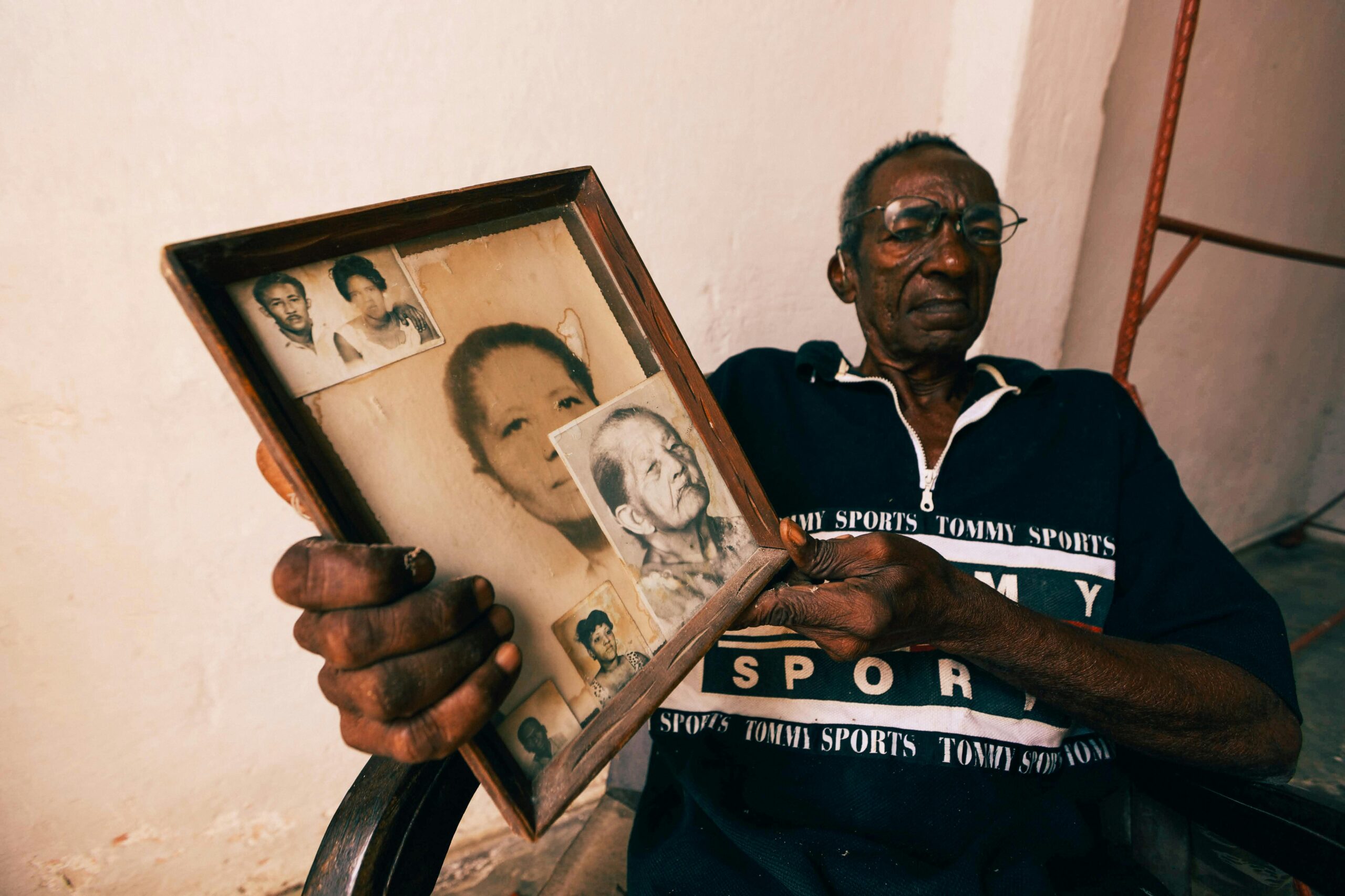
Documenting family history and stories preserves relational legacy in tangible form. Recording interviews with older family members, creating photo albums with detailed captions, maintaining family trees, and writing memoirs all capture relationships and experiences that might otherwise fade from memory. These documents become treasured resources for future generations seeking to understand their roots.
Professional Excellence and Institutional Legacy
Professional contributions create legacy through the organizations we build, innovations we introduce, standards we establish, and people we mentor. Career choices made with legacy in mind prioritize meaningful work that creates value beyond personal compensation. This approach transforms professional life from mere employment into purposeful contribution.
Building or strengthening institutions creates legacy structures that outlast individual careers. Whether founding companies, improving organizations, or establishing professional standards, institutional contributions can benefit communities for decades or centuries. Universities, hospitals, nonprofits, and businesses all represent institutional legacies that continue serving purposes long after founders have passed.
Mentorship represents perhaps the most direct form of professional legacy. Knowledge, skills, and wisdom transferred to protégés multiply as they, in turn, mentor others. This cascade of learning and development creates exponential impact, with each generation building upon the foundation established by predecessors.
Innovation as Generational Gift
Innovations that solve problems, improve efficiency, or enhance quality of life create lasting legacies that benefit countless people. Whether developing new technologies, creating improved processes, or discovering novel approaches to old challenges, innovation-oriented decisions extend impact across generations.
Legacy-minded innovation considers long-term implications alongside immediate benefits. Will this solution create new problems? Does it promote sustainability? Will it remain accessible to future generations? These questions guide innovators toward creating truly beneficial advancements rather than short-sighted fixes that generate future complications.
Spiritual and Philosophical Contributions 🙏
Spiritual and philosophical legacies address humanity’s deepest questions about meaning, purpose, morality, and transcendence. The values you embody, wisdom you share, and spiritual practices you cultivate contribute to collective understanding that guides future generations through life’s complexities.
Living with integrity and embodying your deepest values creates philosophical legacy through example. Actions speak louder than words, and consistent demonstration of principles like honesty, compassion, courage, and justice inspires others to adopt similar values. This transmission of virtue through modeling represents one of humanity’s most ancient and effective teaching methods.
Articulating your philosophy through writing, teaching, or conversation preserves wisdom in forms accessible to future generations. Whether through formal philosophical work or simple journaling about life lessons learned, documenting your understanding contributes to humanity’s collective wisdom. These reflections provide guidance and perspective for those navigating similar challenges in different times.
Transforming Challenges Into Generational Strength
How we face adversity shapes legacy as profoundly as how we handle success. Resilience, problem-solving skills, and emotional intelligence developed through challenges become strengths we pass to future generations. Legacy-oriented approaches to difficulty focus on growth, learning, and transformation rather than mere survival.
Sharing stories of overcoming adversity provides roadmaps for others facing similar challenges. When we openly discuss struggles and how we navigated them, we normalize difficulty while demonstrating possibility. This vulnerability creates connection and offers practical guidance that helps others develop their own resilience.
Establishing support systems and resources for others facing challenges extends the lessons learned from personal adversity into collective benefit. Whether creating support groups, writing self-help resources, or advocating for systemic changes that address root causes, these actions transform personal pain into communal healing and strength.
Living Your Legacy Starting Today 🚀
Legacy building isn’t something postponed until later in life—it begins with the very next decision you make. Every moment offers opportunities to choose actions that align with your deepest values and create lasting positive impact. The cumulative effect of these choices, made consistently over time, determines the legacy you ultimately leave.
Start by identifying one area where you can immediately align decisions with legacy vision. Perhaps it’s how you spend time with family, how you approach work, how you manage finances, or how you engage with your community. Choose one specific change that moves you toward your ideal legacy, and commit to it fully.
Remember that legacy building is a marathon, not a sprint. Consistency matters more than intensity. Small, sustainable changes maintained over years create more lasting impact than dramatic gestures that fade quickly. Be patient with yourself while remaining committed to the vision of the future you’re creating through today’s choices.
Your legacy is being written with every decision, action, and interaction. By bringing conscious intention to these moments, you transform from passive participant to active creator of the future. The generations that follow will inherit not just what you leave behind, but the patterns, values, and possibilities your choices establish. Make them count.